Lighting Design is a subject that always brings a wealth of questions, with homeowners keen to get this vital part of their build right.
In our Lighting Design Q&A with Chhaya, we explore the intricacies of lighting choices and their impact on home aesthetics.
How did you get into Lighting Design?
Before setting up IndigoZest my background was in interior design, which was left behind to focus on growing the business. As the business grew and we started doing more lighting control, it just became obvious that we should offer lighting design as well. I really wanted to do it and decided to study it first. That was the start of it and it’s just grown from there, with lighting control and design going hand in hand.
I love that there is a real creative element to it and I love that when you’ve finished it really elevates a property. People think a lot about their architecture, their build, their home, their kitchen plans, everything, but all of that will come together when it’s lit well, it just makes a house come alive and that’s what I really love about it.
Do you need a Lighting Designer and an Interior Designer?
I would say yes. An Interior Designer will focus on the look and feel of the space and will think about how it’s going to look at the very end. But for myself, I’m focusing on enhancing what they have designed and focusing on areas to pick up texture, colour, architectural spaces. So yes, you need both.
When would you normally get involved on a project?
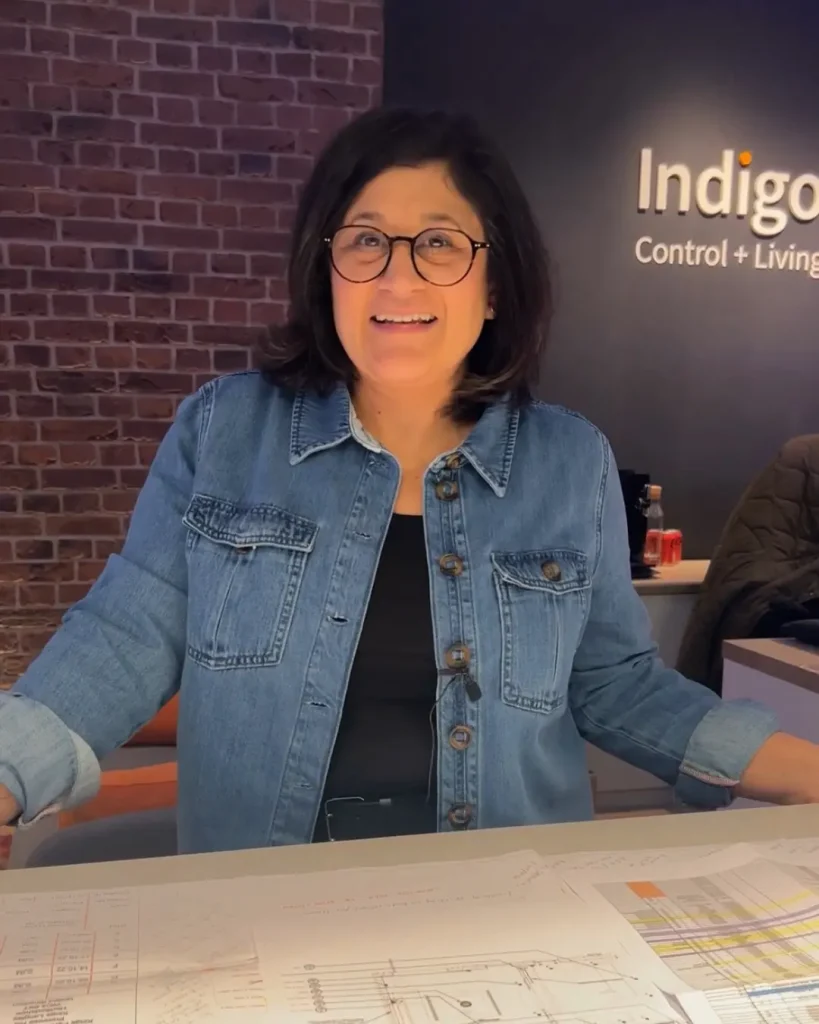
Ideally, the planning for the project should begin at the very early stages. While the lighting fixtures are installed at the end of a project, the wiring needs to be planned and thought out before the electricians start their first fix.
In the first design stage, I aim to understand the space and identify the areas that need light. Once I have a clear understanding, I will begin the relevant documentation, which includes the lighting layouts and wiring schedules. Both of these will be needed by the electrician at the first fix. I will also create the schedules with circuit numbers, which relate to the lighting control and will ensure that we can connect the correct circuits in the right areas.
At the second fix, I’ll be on-site to ensure that all fixtures are being positioned correctly. Finally, at the very end, we will do the scene setting as well.
What are the main lighting areas to consider?
- Task lighting, which allows you to do the job you need to do. For instance, in the kitchen, when you’re prepping and cooking, you need good, evenly spread light.
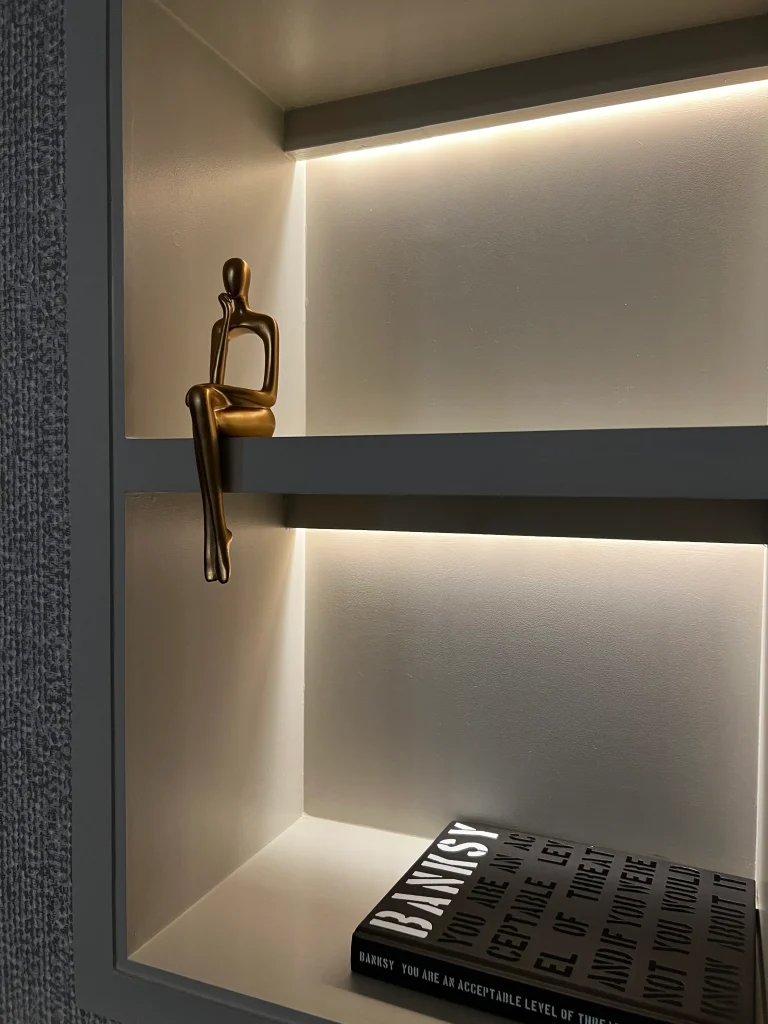
- Architectural lighting, which is a main focus for me. This type of lighting enhances the space and highlights certain areas, artwork, and furniture, making them come alive.
- Decorative lighting, which includes pendants, table lamps, and floor lamps. These are all integral parts of the interior design scheme
When buying lighting fixtures what should I look for?
There are different types of fixtures that do different jobs, but if we talk about the most common one, which is the spotlight or the downlight. I would recommend having it recessed to eliminate any glare. Additionally, consider the beam width, as different beam widths can create different atmospheres. Finally, look at the CRI (Colour Rendering Index) and aim for a high one above 85, if possible. There are some that are at 98, and what that does is really depict the colours that you’re focusing on artwork, furniture, and it just makes it feel a lot more natural.
Do you have to have smart lighting control with lighting design?
Not necessarily, but I would recommend it. The key thing is to consider your lighting and have the lighting where you want it and how you are going to control it.
Smart lighting really helps because it allows you greater control of the light. This means that you can create scenes, moods and can dim the light to certain percentages and have that set to create an atmosphere.
It also eliminates a lot of all of the switches that you have on the wall. If you didn’t have smart lighting, you’d end up with a lot of dimming switches, but if you have lighting control, you can have one button that creates a whole scene for you.
And finally one bit of advice...
To think about what you want to light, to not be scared of dark areas because the light areas will enhance that space. And also to just not grid your ceiling with light, because all that’s going to do is focus it on the floor and make it feel flat.
Ready to bring your lighting plan to life?
Whether you’re building from scratch or refining your current design, we’re here to help. Book a lighting consultation with Chhaya and get tailored advice to create the perfect atmosphere in your home.